
Anúncios
Driving across borders means adapting to different rules, signs, and expectations that can vary dramatically from one country to another.


Whether you’re planning a road trip from California to Baja or just curious about how traffic regulations differ between the United States and Mexico, understanding these differences is essential for safe and legal driving. Both countries share a border and millions of travelers each year, yet their traffic laws reflect distinct cultural attitudes, enforcement practices, and infrastructure realities.
Anúncios
This guide explores the key differences and similarities between traffic laws in the U.S. and Mexico, offering practical insights for drivers who navigate both systems. From speed limits and right-of-way rules to license requirements and enforcement styles, we’ll cover everything you need to know before hitting the road.
🚗 Licensing and Documentation Requirements
In the United States, a valid driver’s license from any state is recognized across all 50 states. Each state issues its own licenses, but they share common standards established by federal guidelines. International visitors can typically drive with a valid foreign license for a limited period, often combined with an International Driving Permit (IDP).
Anúncios
Mexico also recognizes foreign driver’s licenses, including those from the U.S., for tourist visits. However, if you’re planning an extended stay or establishing residency, obtaining a Mexican driver’s license becomes necessary. The process varies by state, but generally requires proof of residency, a medical exam, and sometimes a driving test.
Insurance requirements differ significantly between the two countries. U.S. auto insurance typically doesn’t cover incidents in Mexico, making Mexican liability insurance mandatory for anyone driving south of the border. This coverage can be purchased online, at the border, or through insurance agencies. Driving without proper Mexican insurance can result in serious legal consequences, including vehicle impoundment or even jail time in case of an accident.
Vehicle Registration and Permits 📋
When driving your U.S.-registered vehicle into Mexico beyond the border zone (generally 20-30 kilometers from the border), you’ll need a Temporary Import Permit (TIP). This permit ensures you won’t sell your vehicle in Mexico and requires a refundable deposit. The process involves presenting your vehicle title, registration, driver’s license, and passport at a customs office.
Rental cars present special considerations. Not all U.S. rental companies allow their vehicles to cross into Mexico, and those that do often require additional insurance and documentation. Always verify your rental agreement before attempting to cross the border.
🛣️ Speed Limits and Road Signs
Speed limits in the United States are posted in miles per hour (mph) and vary by state, road type, and area. Interstate highways typically range from 55 to 80 mph, with western states generally allowing higher speeds. Urban areas usually enforce limits between 25 and 45 mph, while school zones drop to 15-25 mph during designated hours.
Mexico uses the metric system, posting speed limits in kilometers per hour (km/h). This fundamental difference catches many U.S. drivers off guard. Mexican highways (autopistas) typically allow 100-110 km/h (about 62-68 mph), while urban areas range from 40-60 km/h (25-37 mph). Toll roads often permit higher speeds than free roads.
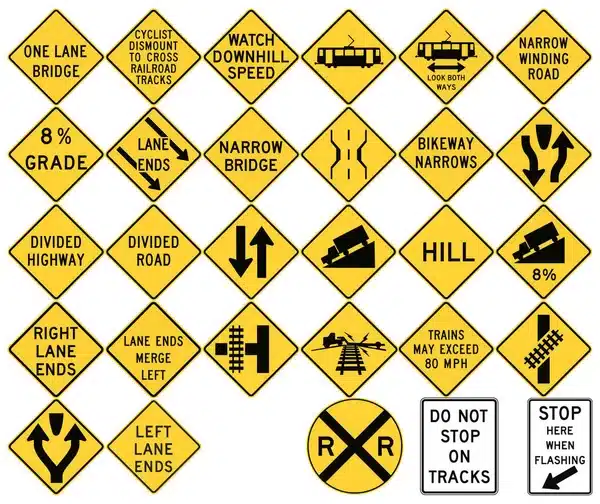
Road signage in both countries follows international conventions established by the Vienna Convention on Road Signs and Signals, though with notable differences. U.S. signs predominantly use English text along with symbols, while Mexican signs rely more heavily on universal symbols with Spanish text when words are necessary.
Understanding Mexican Road Signs 🚸
Mexican traffic signs use a color-coding system similar to the U.S., but with some variations. Red indicates prohibition or stop, yellow signals caution or warning, blue provides information, and green directs to destinations or distances. One key difference is that Mexico more frequently uses pictographic signs without text, making them theoretically more universal but sometimes requiring interpretation.

Distance markers in Mexico show kilometers to destinations, while the U.S. uses miles. This difference extends to odometers and speedometers, though many modern vehicles display both units. Always double-check which measurement system you’re reading to avoid speeding violations or navigation errors.
⚖️ Right-of-Way Rules and Intersection Protocol
Both countries follow the general principle that vehicles on the right have right-of-way at uncontrolled intersections, but enforcement and driver behavior differ substantially. In the U.S., traffic laws are strictly enforced, and drivers generally follow right-of-way rules predictably. Four-way stops operate on a first-come, first-served basis, with the rightmost vehicle having priority in simultaneous arrivals.
Mexican intersection etiquette can feel more fluid to U.S. drivers. While the laws are similar on paper, actual practice often involves more negotiation and eye contact between drivers. Roundabouts (glorietas) are increasingly common in Mexico and generally give priority to vehicles already in the circle, though aggressive merging is not uncommon.
Pedestrian right-of-way exists legally in both countries, but enforcement and cultural norms vary. U.S. drivers typically stop for pedestrians in marked crosswalks, especially in urban areas where enforcement is strict. In Mexico, pedestrians often must wait for gaps in traffic, as drivers may not yield automatically even at marked crossings. However, this is gradually changing in major cities with increased enforcement.
Traffic Lights and Their Meanings 🚦
Traffic light sequences differ slightly between the two countries. U.S. lights transition from green to yellow (amber) to red, then back to green. The yellow light serves as a warning to clear the intersection. Turning right on red is generally permitted after stopping, unless specifically prohibited by signage.
Mexican traffic lights follow a similar pattern but may include a flashing green before yellow, warning that the light is about to change. Right turns on red are less commonly permitted and often explicitly prohibited in urban areas. Some Mexican intersections use countdown timers showing seconds remaining before the light changes, a feature becoming more common but still rare in the U.S.
🍷 DUI Laws and Blood Alcohol Limits
Drunk driving laws are taken seriously in both countries, though enforcement intensity and penalties differ. In the United States, the legal blood alcohol concentration (BAC) limit is 0.08% for drivers over 21 in all states. For commercial drivers, the limit drops to 0.04%, and zero-tolerance laws apply to drivers under 21. Penalties include fines, license suspension, mandatory alcohol education programs, and potential jail time, with consequences escalating for repeat offenders.
Mexico’s DUI laws vary by state but generally set BAC limits between 0.04% and 0.08%. Some states have zero-tolerance policies, particularly for professional drivers. Enforcement has increased significantly in recent years, especially during holidays and weekends. Consequences can be severe, including immediate vehicle impoundment, substantial fines, and detention until you sober up or post bail.
Checkpoint procedures differ between countries. U.S. DUI checkpoints are announced in advance and must meet specific constitutional requirements. Mexican checkpoints (retenes) serve multiple purposes, including checking for drunk drivers, verifying documentation, and searching for contraband. These checkpoints are common on highways and entering/exiting cities.
📱 Distracted Driving and Cell Phone Use
Distracted driving laws in the United States vary significantly by state. As of 2024, most states ban texting while driving, and many prohibit handheld phone use entirely. Some states allow hands-free devices, while others restrict even those for certain drivers or situations. Penalties typically include fines that increase for repeat offenses, with some states adding points to driving records.
Mexican states have increasingly adopted distracted driving legislation, particularly banning handheld cell phone use while driving. Enforcement varies by location, with major cities like Mexico City and Monterrey taking violations more seriously. Fines can be substantial, and some jurisdictions impound vehicles for serious violations.
Both countries recognize that distracted driving extends beyond phone use to include eating, grooming, adjusting controls, and interacting with passengers. However, specific enforcement focuses primarily on visible phone use, which officers can easily identify.
🚓 Police Encounters and Enforcement Styles
Traffic enforcement in the United States follows standardized procedures. Officers typically use marked vehicles with lights and sirens, pull violators to the roadside, and issue citations or warnings. The process involves checking license, registration, and insurance, explaining the violation, and providing a ticket with court information if applicable. Body cameras and dashboard cameras increasingly document these encounters.
Mexican traffic enforcement operates differently depending on the jurisdiction. Federal police patrol highways, state police cover their respective territories, and municipal police handle city streets. Transit police specifically focus on traffic violations in urban areas. Enforcement style can range from professional to inconsistent, with corruption remaining an issue in some areas despite significant improvements in recent years.
Handling Traffic Stops in Mexico 🤝
If stopped by police in Mexico, remain calm and courteous. Keep hands visible, preferably on the steering wheel. Provide requested documentation, but understand your rights. You’re not required to pay fines on the spot—legitimate tickets include instructions for official payment. If an officer suggests immediate payment, politely ask for a written ticket with official payment instructions.
Many Mexican cities now use photo enforcement for traffic violations, sending tickets to registered vehicle owners. Tourist vehicles may receive tickets at rental return or at border crossings. Some U.S. border states have reciprocal agreements to collect Mexican traffic fines.
🛑 Seatbelt Laws and Child Safety Requirements
All 50 U.S. states require seatbelt use, though enforcement levels vary. Most states have primary enforcement laws, allowing officers to stop vehicles solely for seatbelt violations. Fines range from $25 to $200 for first offenses. Child passenger safety laws are comprehensive, requiring appropriate car seats or booster seats based on age, weight, and height, typically until children reach 8-12 years old or a specific height threshold.
Mexican federal law requires seatbelt use for front-seat passengers, and many states extend this requirement to all passengers. Child restraint laws exist but vary by state and are generally less specific than U.S. requirements. Enforcement tends to focus on major highways and urban areas. Despite legal requirements, actual seatbelt use rates in Mexico remain lower than in the U.S., though they’re improving with increased awareness campaigns.
💰 Toll Roads and Highway Systems
The United States maintains an extensive interstate highway system, primarily funded through federal and state gas taxes. Toll roads exist in many states, using electronic collection systems like E-ZPass, SunPass, and FasTrak. Cash payment is being phased out on many toll roads in favor of electronic billing through license plate recognition.
Mexico’s highway system includes free roads (libres) and toll roads (cuotas or autopistas). Toll roads are generally better maintained, faster, and safer but can be expensive. Payment is typically cash at toll booths, though electronic payment systems are expanding. Many toll roads offer roadside assistance, restrooms, and gas stations. The free alternative routes often run parallel to toll roads but may involve narrower lanes, more curves, and poorer maintenance.
Planning Your Route Strategy 🗺️
When traveling in Mexico, budget for toll costs, which can add up significantly on long trips. Toll roads typically offer better signage, lighting, and emergency services. Free roads provide authentic local experiences and cost savings but require more time and careful driving. Many experienced travelers use toll roads for long distances and free roads for exploring smaller towns.
🚨 Accident Procedures and Liability
U.S. accident procedures involve calling police (required for significant damage or injuries), exchanging information with other parties, documenting the scene with photos, and notifying insurance companies promptly. Police reports become official records used in insurance claims and legal proceedings. Liability is determined through investigation and insurance company negotiation, with courts involved in disputed cases.
Mexican accident procedures differ significantly. In many situations, especially minor accidents without injuries, parties negotiate settlement on the spot. If police are called, they typically don’t determine fault but simply document the incident. All parties involved may be detained until liability is established and insurance information verified. This is where having proper Mexican insurance becomes critical—your insurance company provides legal assistance and representation.
Never leave the scene of an accident in Mexico, as this can result in serious criminal charges. Contact your Mexican insurance company immediately, as they provide lawyers and adjusters to handle the situation. If you don’t have Mexican insurance, you may face vehicle impoundment and potential detention until fault and damages are determined.
🌙 Nighttime Driving Considerations
Nighttime driving in the United States on major highways is generally safe, with good lighting, clear signage, and regular patrols. However, rural areas may lack street lighting, and wildlife poses hazards in many regions. Drunk driving incidents increase at night, particularly on weekends and holidays.
Nighttime driving in Mexico requires extra caution. Many roads lack adequate lighting, and street lighting in smaller towns may be sporadic or absent. Speed bumps (topes) may be unmarked or poorly marked, presenting hazards in the dark. Livestock and pedestrians on roadways are more common than in the U.S., particularly in rural areas. Experienced travelers often avoid driving at night in Mexico when possible, planning trips to reach destinations before dark.
🔧 Vehicle Equipment Requirements
U.S. vehicle equipment requirements include functioning headlights, taillights, brake lights, turn signals, mirrors, windshield wipers, and horn. Tinted windows must meet state-specific regulations. Most states require vehicles to pass periodic safety inspections, though requirements vary.
Mexican requirements are similar but include some additional considerations. Emergency triangles or reflectors are required and must be deployed if you stop on the roadside. Some states require fire extinguishers and first aid kits. Window tinting regulations exist but enforcement varies. Mexican safety inspections (verificación) primarily focus on emissions in major cities rather than mechanical safety.
🌍 Environmental and Emissions Standards
U.S. emissions standards are among the world’s strictest, with California leading even federal requirements. Most states require periodic emissions testing for registration renewal, particularly in urban areas. Diesel vehicles face additional scrutiny and restrictions in many jurisdictions.
Mexican major cities, especially Mexico City, enforce emissions testing (verificación) to combat air pollution. The program restricts vehicle use on certain days based on license plate numbers and emissions test results. Foreign vehicles are generally exempt from these restrictions for the first period but may need verification for extended stays. Environmental regulations are becoming increasingly important in Mexican traffic law.
📊 Understanding Statistical Safety Differences
Traffic fatality rates differ significantly between the countries. The United States records approximately 12-13 deaths per 100,000 population annually, while Mexico’s rate is substantially higher at around 16-17 per 100,000. Infrastructure quality, enforcement consistency, vehicle safety standards, and emergency response capabilities all contribute to these differences.
Major contributing factors to Mexican traffic fatalities include speeding, alcohol use, lack of seatbelt use, and vehicle maintenance issues. Road conditions, including unpredictable surfaces and inadequate signage, also play roles. However, Mexican authorities have made significant progress in recent years through improved enforcement, better highway construction, and public awareness campaigns.
✅ Practical Tips for Cross-Border Drivers
Successfully navigating traffic laws in both countries requires preparation and awareness. Before crossing into Mexico, ensure you have proper insurance, vehicle documentation, and personal identification. Download offline maps, as cellular service may be unreliable. Carry both pesos and dollars for tolls and emergencies.
Familiarize yourself with basic Spanish traffic vocabulary, including signs and police instructions. Keep emergency contact numbers accessible, including your insurance company, U.S. embassy or consulate, and roadside assistance. Drive defensively, anticipating that other drivers may not follow rules as predictably as you expect.
Understand that traffic enforcement priorities differ between countries. What might result in a warning in one place could lead to vehicle impoundment in another. When in doubt, err on the side of caution and compliance. Respect local driving customs while maintaining safe practices.
Stay informed about current conditions through official sources. Road conditions, enforcement patterns, and even laws can change. Travel advisories from both U.S. and Mexican authorities provide valuable safety information for cross-border travelers.
🎯 Final Thoughts on Navigating Two Traffic Systems
Driving in the United States and Mexico offers distinct experiences shaped by different legal frameworks, enforcement approaches, and cultural attitudes toward road use. Understanding these differences transforms potential confusion into confident navigation, whether you’re commuting across the border daily or embarking on an extended road trip.
The fundamental principles of safe driving remain universal: attention, courtesy, defensive anticipation, and respect for rules designed to protect everyone. Both countries share the goal of safer roads, even if their approaches differ. By educating yourself about specific requirements, obtaining proper documentation and insurance, and adapting your driving style to local conditions, you’ll enjoy safer and more rewarding experiences on the roads of both nations.
Technology continues bridging gaps between the systems, with improved signage, electronic tolling, and traffic apps providing real-time information to travelers. As enforcement becomes more sophisticated and infrastructure improves, the experience of driving in both countries grows safer and more predictable. The key to success lies in preparation, awareness, and the flexibility to adapt to different road cultures while maintaining your commitment to safety.
