
Anúncios
Metal detector apps have transformed smartphones into versatile treasure-hunting tools, allowing anyone to explore their surroundings and discover hidden metallic objects with just a tap.


The fascination with finding lost treasures, coins, and valuable metals has been a human pursuit for centuries. Today’s technology has made this hobby more accessible than ever. What once required expensive, specialized equipment can now be achieved using the powerful sensors already built into your smartphone.
Anúncios
Whether you’re searching for lost jewelry in your backyard, checking walls for hidden wiring before drilling, or simply exploring beaches for interesting finds, metal detector applications offer a convenient and surprisingly effective solution. These apps leverage your phone’s magnetometer sensor to detect magnetic field variations caused by nearby metallic objects.
🔍 How Metal Detector Apps Actually Work
Understanding the science behind these applications helps set realistic expectations. Your smartphone contains a magnetometer, originally designed to enable compass functionality. This sensor measures the Earth’s magnetic field and can detect disturbances caused by ferromagnetic materials.
Anúncios
When a metal object comes near your phone, it creates a measurable change in the surrounding magnetic field. The app reads these fluctuations and converts them into visual or auditory signals, alerting you to the presence of metal. The strength of the signal typically indicates proximity—stronger readings mean you’re getting closer to the object.
Most applications display readings in microteslas (μT), the unit for measuring magnetic flux density. Baseline readings in most environments range from 25 to 65 μT. When metal is detected, these values can spike significantly, sometimes reaching over 100 μT depending on the object’s size and composition.
💡 Limitations Worth Knowing
While metal detector apps are genuinely useful, they have inherent limitations compared to professional equipment. They work best with ferromagnetic metals like iron, steel, and nickel. Non-ferrous metals such as gold, silver, aluminum, and copper produce weaker magnetic signatures and may be harder to detect.
The detection range is typically limited to a few inches or centimeters. Professional metal detectors can penetrate soil several feet deep, while smartphone apps work best for surface-level or shallow detection. Environmental interference from electronic devices, power lines, or reinforced concrete can also affect accuracy.
📱 Top Features to Look For in a Metal Detector App
Not all metal detector applications are created equal. When choosing one for your smartphone, certain features significantly enhance the user experience and detection capability.
A clear, intuitive interface makes all the difference. The best apps display real-time magnetic field strength readings with easy-to-read graphs or meters. Visual indicators should change color or intensity as you approach metal, while optional sound alerts provide feedback without requiring constant screen monitoring.
Calibration tools are essential. Quality apps allow you to calibrate the sensor to account for your specific environment’s baseline magnetic field. This reduces false positives and improves detection accuracy.

🎯 Additional Functionality That Matters
Advanced apps offer recording capabilities, letting you log your findings with GPS coordinates, photos, and notes. This feature proves invaluable for serious hobbyists who want to track discoveries or map searched areas.
Adjustable sensitivity settings give you control over detection thresholds. Higher sensitivity may detect smaller objects but can increase false readings, while lower sensitivity focuses on larger, more significant targets.
Some applications include educational components, explaining different metal types, historical context for common finds, or tips for effective searching techniques. These extras transform the app from a simple tool into a learning experience.
🏖️ Practical Applications Beyond Treasure Hunting
While searching for lost coins and jewelry remains a popular use case, metal detector apps serve numerous practical purposes in everyday life.
Homeowners and renters use these apps before drilling or hammering into walls to locate hidden pipes, electrical wiring, or metal studs. This simple precaution can prevent costly accidents and damage. Professional contractors sometimes use them for quick preliminary scans before bringing out specialized equipment.
Outdoor enthusiasts appreciate metal detector apps when camping or hiking. They can help locate tent stakes that have been accidentally buried, find dropped keys or tools in grass or sand, and even identify metal debris that could pose safety hazards.
🔧 Construction and DIY Projects
DIY enthusiasts find these applications particularly useful during home improvement projects. Locating studs behind drywall, finding buried irrigation system components, or checking reclaimed wood for embedded nails and screws becomes much easier with a quick smartphone scan.
Detecting metal fragments in wooden beams before sawing protects expensive cutting tools from damage. Vintage furniture restoration often requires locating hidden fasteners or metal reinforcements, making these apps valuable workshop companions.
🌟 Maximizing Detection Success
Getting the best results from a metal detector app requires understanding proper technique and optimal conditions. Simple strategies dramatically improve your success rate.
Move your phone slowly and steadily across the search area. Sweeping too quickly prevents the sensor from accurately reading magnetic field changes. Maintain a consistent distance from the surface—typically 1-2 inches works best for most applications.
Environmental awareness matters significantly. Remove your phone from its case if it contains magnetic components, as these interfere with readings. Turn off Bluetooth and minimize active apps to reduce electronic noise. Avoid areas with strong electromagnetic interference like power transformers or large appliances.
📍 Optimal Search Conditions
Outdoor searches work best in dry conditions. Wet soil, especially with high mineral content, can create misleading readings. Sandy beaches offer excellent conditions for metal detection, with minimal interference and easy digging when you locate targets.
Indoor searches require awareness of building materials. Modern construction often includes metal-reinforced concrete, wire mesh, or radiant floor heating systems that create constant background interference. Wooden structures typically provide cleaner detection environments.
Time your searches strategically. Early morning or late evening outdoor sessions avoid the hottest parts of the day and often feature softer, easier-to-search ground conditions. Indoor searches benefit from quiet times when fewer electronic devices are running.
🎓 Learning the Signals and Patterns
Experienced users develop an intuitive understanding of how different metals and objects present themselves through app readings. This knowledge comes with practice but accelerates when you approach it systematically.
Start by testing known objects. Place various metal items—keys, coins, nails, aluminum foil—on a wooden surface and observe how your app responds to each. Note the reading strength, how quickly it peaks, and how it behaves as you move the phone away.
Ferromagnetic materials produce strong, sharp spikes in readings. Stainless steel and non-ferrous metals create subtler changes. Large objects generate broader detection zones, while small items produce narrow, focused signals.
🧪 Building Detection Skills
Create a test garden or practice area with buried objects at known locations and depths. This controlled environment lets you experiment with search patterns, sensitivity settings, and techniques without the uncertainty of random searching.
Document your findings with photos and notes. Recording what different reading levels correspond to in terms of object size, depth, and composition builds a personal reference library that improves future detection accuracy.
⚡ Battery Life and Performance Optimization
Metal detector apps can drain battery quickly due to constant sensor polling and screen-on time. Smart management extends your search sessions significantly.
Reduce screen brightness to the minimum readable level. The display typically consumes more power than the magnetometer sensor itself. Enable battery saver mode if your search doesn’t require maximum processor performance.
Close unnecessary background applications before starting your session. GPS tracking features, while useful for logging finds, consume considerable power. Consider enabling location services only when marking specific discoveries rather than continuous tracking.
🔋 Hardware Considerations
Phones with larger batteries naturally support longer search sessions. External battery packs offer extended operation for serious hobbyists planning multi-hour expeditions. Portable solar chargers work well for beach or field use in sunny conditions.
Temperature extremes affect both battery performance and sensor accuracy. Avoid prolonged exposure to direct summer sun or winter cold. Keep your phone at moderate temperatures for consistent results and battery longevity.
🌍 Safety and Responsible Detecting
Responsible metal detecting protects both you and the environment. Following basic guidelines ensures your hobby remains enjoyable and legal.
Always obtain permission before searching private property. Many public lands have specific regulations regarding metal detecting—beaches, parks, and historical sites often restrict or prohibit the activity. Research local laws and regulations before each outing.
Fill any holes you dig and remove trash you encounter. Leave search areas in better condition than you found them. Respect archaeological sites completely—removing artifacts from protected areas is illegal and destroys valuable historical information.
⚖️ Legal and Ethical Guidelines
Report significant historical finds to appropriate authorities. Many regions have treasure trove laws governing discovered valuables. Understanding these regulations protects you legally and preserves cultural heritage.
Be mindful of privacy when detecting. Avoid pointing your phone at people in ways that might appear intrusive. Public detecting sometimes attracts curious questions—be friendly and educational about your hobby.
📊 Comparing App Performance Across Devices
Not all smartphones deliver identical metal detection capabilities. Sensor quality varies significantly between manufacturers and models, affecting detection range and accuracy.
Flagship devices typically incorporate higher-quality magnetometers with better sensitivity and lower noise levels. Budget phones may have adequate sensors for basic detection but might struggle with small or distant objects.
Testing reveals that sensor placement varies by device. Some phones have magnetometers near the camera module, others near the bottom edge. Learning your specific device’s sensor location helps you position it optimally during searches.
📱 Android vs iOS Performance
Both platforms offer capable metal detector apps, though implementation details differ. Android’s open architecture sometimes provides more direct sensor access, while iOS maintains stricter control that can limit certain functionality but improves reliability.
Sensor calibration quality varies more widely across Android devices due to the diverse hardware ecosystem. iPhones maintain more consistent performance across models, though they share the same fundamental detection limitations as any smartphone-based solution.
🎯 Setting Realistic Expectations
Understanding what metal detector apps can and cannot do prevents disappointment and helps you use them effectively within their capabilities.
These apps excel at locating relatively large ferromagnetic objects near the surface—lost tools in grass, metal studs behind drywall, or iron artifacts in shallow soil. They struggle with small non-ferrous items like gold rings, especially when buried even slightly.
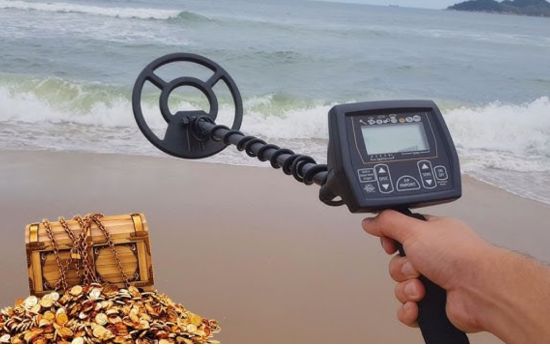
Professional metal detectors costing hundreds or thousands of dollars employ entirely different technology—pulse induction or very low frequency transmission—that penetrates much deeper and discriminates between metal types. Smartphone apps cannot replicate this performance.
For casual use, quick scans, and convenient checking without carrying dedicated equipment, these apps perform admirably. For serious treasure hunting or professional applications, they complement rather than replace specialized tools.
🚀 Future Developments in Mobile Metal Detection
Smartphone sensor technology continues advancing, suggesting exciting possibilities for future metal detector applications. Emerging trends point toward enhanced capabilities and new use cases.
Multi-sensor fusion combines magnetometer data with other phone sensors—accelerometers, gyroscopes, and cameras—to create more sophisticated detection systems. Machine learning algorithms could identify metal types based on signal patterns or differentiate between objects and environmental interference.
Augmented reality integration might overlay detection information directly onto camera views, showing approximate object locations visually. Crowdsourced databases could share productive search locations while respecting privacy and property rights.
Improved sensor miniaturization and sensitivity in future phone generations will naturally enhance detection capabilities. While smartphones may never match dedicated professional equipment, the gap continues narrowing as technology progresses.
✨ Making the Most of Your Metal Detecting Experience
Success with metal detector apps combines the right tool, proper technique, realistic expectations, and genuine enthusiasm for discovery. The journey often proves as rewarding as the finds themselves.
Start with simple goals—finding a buried nail in your yard or locating wall studs. Early successes build confidence and teach you how your specific device responds to different situations. Gradually expand to more challenging environments as your skills develop.
Join online communities dedicated to metal detecting. These forums offer valuable tips, success stories, identification help for mysterious finds, and camaraderie with fellow enthusiasts. Sharing experiences enriches the hobby significantly.
Remember that every professional treasure hunter started as a beginner. The combination of modern technology in your pocket and the timeless thrill of discovery creates an accessible, engaging hobby suitable for all ages and skill levels. Download an app, calibrate your sensor, and start exploring—you never know what interesting objects await discovery in your own neighborhood.
