
Anúncios
Best Dance and Zumba Apps to Get You Moving
Anúncios
Learning to dance has never been easier thanks to modern technology and innovative fitness applications designed to bring the studio experience right into your home.
Whether you’re looking to shed some pounds, improve coordination, or simply have fun while exercising, dance fitness apps offer an accessible and engaging solution. The combination of rhythmic movements, energetic music, and structured workouts creates an experience that doesn’t feel like traditional exercise.
Anúncios
Zumba, in particular, has revolutionized the fitness industry by transforming workout routines into dance parties. With millions of enthusiasts worldwide, this Latin-inspired dance fitness program continues to grow in popularity, especially through mobile applications that make it available to anyone with a smartphone.
💃 Why Choose a Dance Fitness App?


The shift toward digital fitness solutions has opened doors for people who previously felt intimidated by gym environments or group classes. Dance apps eliminate common barriers like scheduling conflicts, travel time, and social anxiety while delivering professional-quality instruction.
These applications provide flexibility that traditional studios simply cannot match. You can practice at 6 AM before work, during your lunch break, or late at night when the kids are asleep. The convenience factor alone makes these apps worth considering for busy individuals trying to maintain an active lifestyle.
Cost-effectiveness represents another significant advantage. While studio classes can cost $15-30 per session, many dance apps offer unlimited access for a monthly subscription that’s often less than the price of two traditional classes. This affordability makes consistent practice financially sustainable for most budgets.
🎵 What Makes Zumba Special?

Zumba stands out from other dance fitness programs through its unique approach to exercise. Created by Colombian dancer Alberto “Beto” Pérez in the 1990s, this fitness phenomenon combines low-intensity and high-intensity moves for an interval-style, calorie-burning dance workout.
The choreography incorporates elements from various dance styles including salsa, merengue, cumbia, reggaeton, and hip-hop. This diversity keeps routines fresh and exciting, preventing the monotony that often leads people to abandon their fitness routines.
What truly distinguishes Zumba is its emphasis on fun over perfection. Unlike traditional dance classes where precision matters, Zumba encourages participants to move freely and enjoy themselves. This philosophy removes performance pressure and makes the experience accessible to people of all skill levels.
Health Benefits Beyond Cardio
While the cardiovascular benefits are obvious, Zumba and similar dance workouts offer comprehensive health improvements. A typical hour-long session can burn between 400-600 calories depending on intensity level and individual body composition.
The full-body engagement strengthens multiple muscle groups simultaneously. Your legs power through squats and lunges, your core stabilizes during twists and turns, and your arms get a workout from the constant movement and arm styling that characterizes Zumba choreography.
Mental health benefits deserve equal attention. The combination of music, movement, and endorphin release creates a natural mood boost. Many practitioners report reduced stress levels, improved sleep quality, and enhanced overall well-being after incorporating regular dance sessions into their routines.
📱 Features to Look for in Dance Apps
Not all dance fitness applications are created equal. Understanding which features matter most helps you select an app that aligns with your goals and preferences.
Video quality stands as a critical factor. High-definition videos with multiple camera angles allow you to clearly see the instructor’s movements and mirror them accurately. Poor video quality can lead to frustration and improper form, potentially causing injury.
Workout variety prevents boredom and ensures continuous progress. The best apps regularly update their content libraries with new routines, different instructors, and varying difficulty levels. This diversity keeps you engaged and challenged as your skills improve.
- Beginner-friendly tutorials: Step-by-step breakdowns of basic moves build confidence for newcomers
- Progress tracking: Monitor calories burned, workout duration, and consistency over time
- Customizable playlists: Select music that motivates you personally
- Offline access: Download workouts for practice without internet connectivity
- Community features: Connect with other users for motivation and accountability
- Multiple difficulty levels: Scale workouts up or down based on your current fitness level
🏋️ Getting Started with Your Dance Journey
Beginning any new fitness routine can feel overwhelming, but dance apps make the onboarding process surprisingly straightforward. Most applications include orientation videos that explain the interface and help you navigate available features.
Start with beginner-level classes even if you have some dance experience. This approach allows you to familiarize yourself with the specific style and terminology used in the program. Zumba has its own vocabulary and movement patterns that may differ from other dance forms you’ve practiced.
Creating a dedicated workout space in your home enhances the experience significantly. You don’t need a large area—a space roughly 6 feet by 6 feet provides enough room for most movements. Clear away any obstacles, ensure good ventilation, and consider placing your phone or tablet at eye level for easy viewing.
Essential Equipment and Preparation
One of the beautiful aspects of dance fitness is the minimal equipment requirement. Unlike weightlifting or cycling, you don’t need to invest hundreds of dollars in gear before starting.
Comfortable athletic shoes designed for lateral movement provide the most important foundation. Cross-training shoes work well because they offer support for the side-to-side motions common in dance workouts. Avoid running shoes, which are designed for forward movement and may increase injury risk during lateral steps.
Clothing should allow unrestricted movement while keeping you comfortable. Moisture-wicking fabrics help manage sweat during intense sessions. Many dancers prefer fitted clothes that let them see their body positioning, though loose-fitting options work perfectly fine if that’s your preference.
A water bottle within easy reach ensures you stay hydrated throughout your workout. Dance fitness can be surprisingly intense, and proper hydration supports performance and recovery. A small towel also comes in handy for wiping away sweat between songs.
🎯 Building a Sustainable Routine
Consistency trumps intensity when building long-term fitness habits. Starting with three 20-30 minute sessions per week creates a manageable foundation that you can expand over time without overwhelming yourself.
Schedule your workouts like any other important appointment. Treat this time as non-negotiable self-care rather than an optional activity you’ll do “if you have time.” Most people find that morning sessions work best because daily responsibilities haven’t yet accumulated to create competing priorities.
Progressive overload applies to dance fitness just as it does to traditional strength training. As routines become easier, challenge yourself with longer sessions, more complex choreography, or higher-intensity variations. This gradual progression prevents plateaus and ensures continued improvement.
Staying Motivated Through Challenges
Every fitness journey encounters obstacles. Recognizing this reality in advance helps you prepare strategies for staying on track when motivation wanes.
Setting specific, measurable goals provides direction and purpose. Rather than vague objectives like “get healthier,” aim for concrete targets such as “complete four 30-minute sessions per week for the next month” or “master the basic salsa step within two weeks.”
Tracking your progress creates visible evidence of your commitment and improvement. Many apps include built-in tracking features, but even a simple calendar where you mark completed workouts can provide powerful motivation. Seeing a chain of consecutive workout days creates positive momentum you won’t want to break.
Variety prevents burnout and keeps the experience fresh. While consistency matters, doing the exact same routine repeatedly can become tedious. Mix different instructors, music styles, and choreography levels to maintain engagement and enthusiasm.
👥 The Social Dimension of Digital Dance
Although you’re dancing alone in your living room, many apps incorporate social features that create a sense of community and shared experience. These connections can significantly enhance motivation and accountability.
Virtual challenges and leaderboards tap into healthy competitive instincts. Competing against other users in monthly step counts or workout streaks adds an extra layer of engagement beyond the physical activity itself.
Social sharing features allow you to celebrate achievements with friends and family. Posting about your workout completion on social media creates public accountability and might even inspire others to start their own fitness journey.
Some applications facilitate real-time group classes where users worldwide participate simultaneously. This synchronous experience more closely mimics the energy of in-person studio classes and can provide additional motivation to push through challenging moments.
🌟 Advanced Tips for Experienced Dancers
Once you’ve established a consistent practice and mastered the basics, several strategies can elevate your dance fitness experience to new levels.
Incorporating freestyle sessions between structured workouts enhances creativity and body awareness. Put on your favorite music and move freely without following an instructor. This unstructured practice helps internalize the movements and develop your personal style.
Cross-training with complementary activities supports your dance practice. Yoga improves flexibility and balance, strength training builds power for more explosive movements, and traditional cardio enhances endurance for longer sessions.
Recording yourself periodically provides valuable feedback. Watching your form from an external perspective helps identify areas for improvement that you might not notice while dancing. This self-assessment accelerates skill development and movement quality.
Injury Prevention and Recovery
Enthusiasm sometimes leads people to overdo things, resulting in preventable injuries. Smart training includes adequate recovery time and attention to your body’s signals.
Proper warm-up prepares your body for the demands ahead. Spend 5-10 minutes with dynamic stretching and light movement before diving into intense choreography. This preparation increases blood flow to muscles and improves range of motion.
Cool-down periods help your body transition back to resting state. Gentle stretching after your workout reduces muscle soreness and maintains flexibility. This recovery component is just as important as the workout itself for long-term health.
Listen to your body and distinguish between the discomfort of challenge and the pain of potential injury. Muscle fatigue is normal and expected, but sharp pains, joint discomfort, or asymmetrical sensations warrant rest and possibly professional medical advice.
💡 Making the Most of Your App Investment
Subscription-based apps represent an ongoing financial commitment, so maximizing their value makes practical sense. Taking full advantage of available features ensures you receive proper return on your investment.
Explore all sections of your chosen app rather than sticking to one type of workout. Many applications offer supplementary content like nutrition guidance, meditation sessions, or additional fitness classes that complement your dance practice.
Participate in special events and challenges the app organizes. These limited-time opportunities create excitement, introduce you to new content, and often include prizes or recognition that enhance motivation.
Provide feedback to developers through app reviews and suggestion features. This communication helps improve the platform for all users and demonstrates that real people value the service, encouraging continued development and updates.
🚀 The Future of Dance Fitness Technology
Innovation in fitness technology continues accelerating, with exciting developments on the horizon for dance fitness enthusiasts. Understanding these trends helps you anticipate what’s coming next.
Augmented reality integration promises to transform home workouts by overlaying virtual instructors directly into your physical space. This technology could create more immersive experiences that better replicate the energy of in-person classes.
Artificial intelligence-powered form correction represents another emerging capability. Advanced apps may soon analyze your movements through your device’s camera and provide real-time feedback on technique, helping you improve faster and reduce injury risk.
Personalized workout generation based on your preferences, history, and goals could make apps even more effective. Machine learning algorithms might create custom routines perfectly suited to your specific needs rather than offering only pre-recorded generic classes.
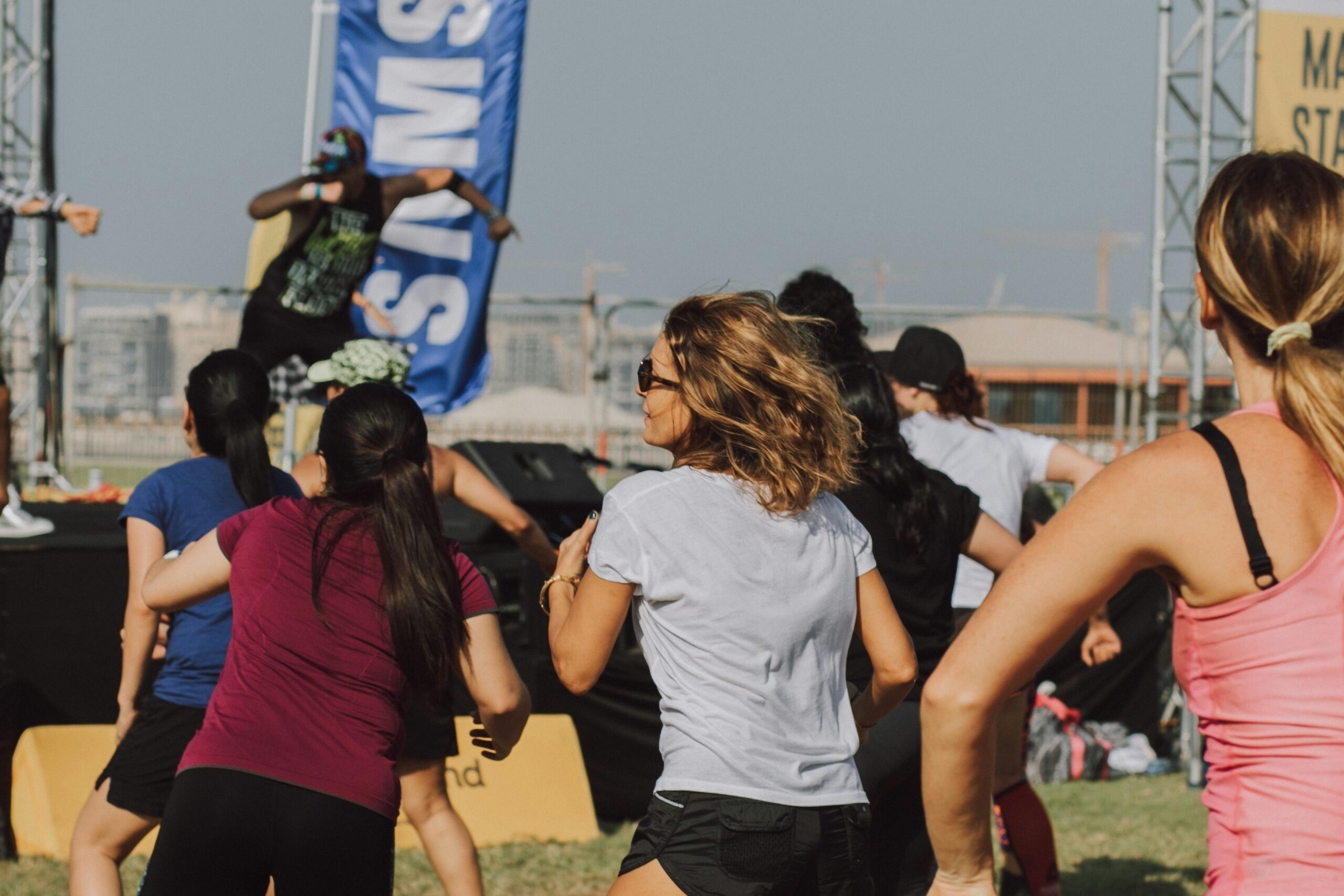
🎊 Transforming Fitness Into Celebration
The fundamental philosophy underlying dance fitness apps is that exercise should feel like play rather than punishment. This mindset shift transforms how people relate to physical activity and creates sustainable long-term habits.
When working out stops feeling like an obligation and starts feeling like a highlight of your day, you’ve discovered something truly valuable. Dance fitness apps facilitate this transformation by removing barriers, providing professional instruction, and making movement genuinely enjoyable.
Your fitness journey is uniquely personal, and there’s no single right way to approach it. Some people thrive on intense daily sessions, while others prefer gentler practices a few times weekly. The key is finding what works for your body, schedule, and lifestyle.
Remember that every expert was once a beginner who decided to start. Those first awkward steps where you can’t quite match the instructor’s rhythm are part of the process. With consistency and patience, movements that initially seemed impossible become second nature.
Dance fitness apps have democratized access to quality instruction, allowing anyone with a smartphone to participate in this joyful form of exercise. Whether you’re drawn to the Latin rhythms of Zumba, the precision of hip-hop choreography, or the grace of contemporary dance, there’s an application designed to support your goals and celebrate your progress every step of the way.
