

Anúncios
GPS apps have revolutionized how we navigate, transforming smartphones into powerful directional tools that guide millions of people daily through cities, highways, and unfamiliar territories.
Anúncios
Gone are the days of folding paper maps or stopping at gas stations for directions. Modern GPS applications combine satellite technology with real-time data to provide accurate navigation, traffic updates, and location-based services that have become essential for everyday life.
Whether you’re commuting to work, exploring a new city, or embarking on a road trip adventure, GPS apps offer features that extend far beyond simple turn-by-turn directions, making travel safer, faster, and more efficient than ever before. 🗺️
How GPS Applications Actually Work Behind the Scenes
Anúncios
GPS technology relies on a network of satellites orbiting Earth, constantly transmitting signals that smartphones can interpret to determine precise locations. When you open a GPS app, your device communicates with multiple satellites simultaneously to triangulate your exact position on the planet.


This process happens almost instantaneously, calculating longitude, latitude, and altitude within meters of accuracy. Modern GPS apps enhance this basic satellite data by incorporating additional information sources like Wi-Fi networks, cellular towers, and even Bluetooth beacons to improve accuracy in urban environments where satellite signals might be obstructed.
The real magic happens when these apps combine raw location data with sophisticated mapping databases, traffic information, and user-generated content. Advanced algorithms constantly analyze conditions and calculate optimal routes based on current circumstances rather than static map data alone.
Popular GPS Apps Dominating the Navigation Market
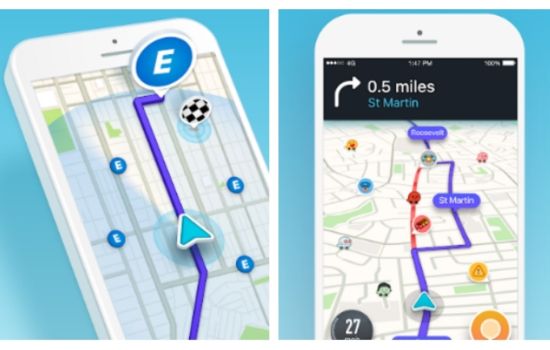
The navigation app landscape features several major players, each offering unique strengths tailored to different user needs. Waze stands out for its community-driven approach, where millions of users contribute real-time information about accidents, police presence, road hazards, and traffic conditions.

Google Maps remains the most comprehensive option, integrating navigation with business information, public transportation schedules, street view imagery, and detailed indoor maps for airports and shopping centers. Its massive database covers virtually every corner of the globe with remarkable detail.
Apple Maps has significantly improved since its rocky launch, offering seamless integration with iOS devices, privacy-focused features, and beautifully rendered 3D city views. For iOS users, it provides an elegant experience that feels native to the ecosystem.
Specialized apps like Sygic and HERE WeGo offer offline navigation capabilities, making them invaluable for international travelers or those venturing into areas with limited cellular coverage. These apps allow you to download entire countries or regions for completely offline use. 📱
Essential Features That Make GPS Apps Indispensable
Beyond basic navigation, modern GPS apps pack numerous features that enhance the driving experience. Real-time traffic updates represent perhaps the most valuable capability, analyzing data from thousands of users to predict congestion and suggest alternative routes that save precious time.
Voice-guided navigation keeps drivers focused on the road rather than glancing at screens, with increasingly natural-sounding voices providing clear instructions. Lane guidance helps drivers navigate complex highway interchanges by showing exactly which lane to occupy well before critical exits.
Speed limit displays and alerts help drivers stay within legal boundaries, while speed camera warnings provide advance notice of enforcement zones. These safety features reduce the likelihood of tickets and encourage responsible driving habits.
Points of interest integration allows users to discover nearby restaurants, gas stations, parking facilities, and attractions without leaving the navigation interface. Many apps now include user reviews, photos, and business hours to help make informed decisions on the go.
Advanced Capabilities for Power Users
Savvy users can unlock additional functionality by exploring advanced settings and lesser-known features. Multi-stop route planning enables efficient errand running by optimizing the sequence of multiple destinations to minimize total travel time and distance.
Carpool and commute features help reduce environmental impact while saving money. Some apps calculate arrival times with remarkable accuracy, considering historical traffic patterns specific to days of the week and times of day.
Integration with smart home devices and vehicle infotainment systems creates seamless experiences where routes planned on your phone automatically appear on your car’s dashboard display. Voice assistants like Siri, Google Assistant, and Alexa can initiate navigation through simple voice commands. 🚗
Privacy Considerations When Using Location Services
GPS apps require continuous access to location data, raising legitimate privacy concerns for security-conscious users. These applications track your movements, learn your habits, and often share anonymized data with third parties for traffic analysis and advertising purposes.
Understanding privacy settings becomes essential for protecting personal information. Most apps offer options to limit data collection, disable location history, or use “incognito” modes that don’t save destinations or routes to your account.
Reading privacy policies reveals exactly what data companies collect and how they use it. Some apps are more transparent and privacy-focused than others, with Apple Maps notably processing most location data directly on your device rather than sending it to servers.
For maximum privacy, consider using apps that offer truly offline functionality, though this means sacrificing real-time traffic updates and other connected features. Balancing convenience with privacy requires conscious decisions about which trade-offs you’re comfortable making.
Battery Life Impact and Optimization Strategies
GPS navigation notoriously drains smartphone batteries because it simultaneously uses location services, displays, cellular data, and audio systems. Extended navigation sessions can deplete a full battery in just a few hours without proper management.
Several strategies help extend battery life during navigation. Reducing screen brightness significantly decreases power consumption, as the display typically represents the largest energy draw. Many GPS apps offer battery-saver modes that reduce screen updates or dim displays during straight highway sections.
Downloading offline maps eliminates the need for constant data connectivity, which consumes substantial power. Closing unnecessary background apps frees up processing resources and reduces overall power demand.
Investing in a quality car charger ensures your phone stays powered during long trips. Wireless charging mounts combine convenient viewing angles with continuous power supply, eliminating the hassle of plugging and unplugging cables. 🔋
Temperature Considerations for Device Health
Extended GPS use generates significant heat, especially when phones are mounted in direct sunlight. Excessive temperatures can damage batteries permanently and cause devices to throttle performance or shut down protectively.
Positioning phone mounts in shaded areas away from windshields and air vents helps manage temperatures. Some specialized mounts include cooling features or allow airflow around devices to dissipate heat more effectively.
International Travel and GPS Navigation Challenges
Using GPS apps abroad introduces unique considerations beyond domestic navigation. Data roaming charges can accumulate shockingly fast when apps continuously download map data and traffic updates in foreign countries.
Downloading maps before departure eliminates roaming concerns while ensuring navigation availability regardless of connectivity. Most major GPS apps support offline map downloads, though the feature might require premium subscriptions or one-time purchases.
Address formats, street naming conventions, and points of interest vary dramatically between countries. Some GPS apps handle international destinations better than others, with more comprehensive global databases and localized features.
Rental car integration can be tricky, as connecting phones to unfamiliar vehicle systems sometimes proves challenging. Bringing your own phone mount ensures consistent positioning regardless of available vehicle features. ✈️
GPS Navigation for Outdoor Activities and Recreation
While most people associate GPS apps with automotive navigation, specialized applications serve hikers, cyclists, runners, and outdoor enthusiasts with features tailored to off-road adventures.
Trail mapping apps like AllTrails provide topographic maps, elevation profiles, and user-contributed route information for thousands of hiking trails worldwide. These apps work offline in remote wilderness areas where cellular coverage is nonexistent.
Cycling-specific GPS apps calculate routes that prioritize bike lanes, low-traffic streets, and elevation considerations that matter to cyclists but not drivers. They often integrate with fitness tracking features to monitor speed, distance, and calories burned.
Marine navigation apps serve boaters with nautical charts, tide information, and water depth data. Aviation apps provide similar specialized information for pilots, demonstrating how GPS technology extends far beyond simple street navigation.
The Future of GPS Technology and Navigation Apps
Emerging technologies promise to make GPS navigation even more powerful and intuitive. Augmented reality features overlay directional arrows and information directly onto camera views of real streets, eliminating confusion about which direction to turn.
Artificial intelligence improvements enable more accurate traffic predictions, learning from vast datasets to anticipate congestion before it develops. Machine learning algorithms personalize route suggestions based on individual driving preferences and patterns.
Vehicle-to-vehicle communication systems will eventually allow cars to share real-time information directly with each other, creating mesh networks that provide hyperlocal traffic and hazard data far more accurate than current crowd-sourced models.
Integration with autonomous vehicle systems represents the ultimate evolution, where GPS apps don’t just guide human drivers but actually control vehicles directly, navigating to destinations without human input. This future isn’t as distant as many imagine. 🚀
Choosing the Right GPS App for Your Specific Needs
Selecting the optimal navigation app depends on individual priorities and usage patterns. Daily commuters benefit most from apps with superior traffic prediction and alternative route suggestions that save time during rush hour congestion.
Frequent travelers should prioritize apps with comprehensive offline map capabilities and extensive international coverage. The ability to download entire countries ensures reliable navigation regardless of connectivity availability.
Privacy-conscious users might prefer apps with strong data protection policies and minimal data collection practices, even if this means sacrificing some connected features and real-time capabilities.
Urban dwellers who rely heavily on public transportation need apps that seamlessly integrate bus, subway, and train schedules with walking directions and real-time delay information.
Testing Multiple Options to Find Your Perfect Match
Most GPS apps are free or offer free versions with basic functionality, making it easy to test several options before committing. Trying different apps on familiar routes reveals which interface feels most intuitive and which features you value most.
Some users maintain multiple GPS apps installed, using different ones for different purposes. This approach ensures you always have backup navigation available if one app encounters technical difficulties or lacks coverage in specific areas.
Making the Most of Your GPS App Experience
GPS applications have fundamentally transformed how we navigate and interact with the world around us. These powerful tools in our pockets provide capabilities that would have seemed like science fiction just decades ago, making every journey simpler and more efficient.
By understanding how GPS apps work, exploring available features, and choosing applications that match your specific needs, you can maximize the benefits of this remarkable technology. Whether commuting daily, exploring new places, or embarking on adventures, the right GPS app becomes an indispensable travel companion.
Take time to explore settings, customize preferences, and discover advanced features that enhance your navigation experience. The investment in learning your GPS app thoroughly pays dividends every time you hit the road. 🌍
