
Anúncios
Digital Braille reading apps are transforming how visually impaired individuals access information, education, and entertainment through innovative touchscreen technology and adaptive learning tools.
Anúncios
The evolution of assistive technology has brought remarkable changes to how people with visual impairments interact with the digital world. Among these innovations, digital Braille reading applications stand out as powerful tools that bridge the gap between traditional tactile reading methods and modern smartphone capabilities.
These applications represent more than just technological advancement—they embody independence, educational opportunity, and social inclusion. By combining the time-tested Braille system with contemporary mobile platforms, developers have created accessible pathways for millions of users worldwide to engage with written content in meaningful ways.
🔤 Understanding Digital Braille Technology
Anúncios
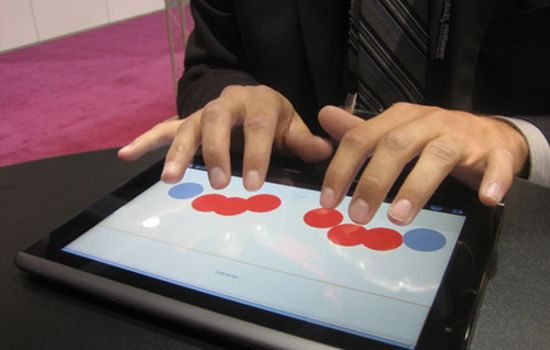
Digital Braille apps function by translating standard text into Braille patterns that users can read through their device screens. Unlike physical Braille books that require specialized printing and considerable storage space, these applications offer portable libraries that fit in your pocket.


The technology behind these apps uses sophisticated algorithms to convert text into Grade 1 or Grade 2 Braille, depending on user preferences. Some advanced applications even support multiple languages and regional Braille variations, making them truly global tools for accessibility.
Modern smartphones equipped with haptic feedback capabilities enhance the digital Braille experience significantly. While not replacing the tactile sensation of embossed paper, vibration patterns and audio cues provide supplementary feedback that helps users navigate content more efficiently.
📱 Key Features That Matter
When evaluating digital Braille reading applications, certain features distinguish exceptional tools from basic offerings. Understanding these functionalities helps users select apps that best match their learning style and reading preferences.
Interactive Learning Modules
Quality Braille apps incorporate structured learning pathways that guide beginners through the alphabet, punctuation, and eventually complete words and sentences. These modules typically feature progressive difficulty levels that adapt to individual learning speeds.
Gamification elements such as achievement badges, progress tracking, and timed challenges make the learning process engaging rather than tedious. This approach particularly benefits young learners who respond well to interactive educational experiences.

Customizable Display Options
Users appreciate applications that allow personalization of cell size, dot spacing, and contrast settings. These adjustments accommodate different vision levels and personal comfort preferences, ensuring optimal readability for diverse user groups.
Some applications offer both light and dark mode displays, reducing eye strain for users with partial vision who might still interact with visual elements alongside Braille patterns.
Offline Accessibility
Internet connectivity shouldn’t be a barrier to literacy. Premium digital Braille apps provide downloadable content libraries that function completely offline, enabling users to practice and read regardless of their network status.
🎓 Educational Benefits and Learning Outcomes
Digital Braille applications have revolutionized literacy education for visually impaired students. Teachers and special education professionals now have powerful tools to supplement traditional instruction methods with engaging digital alternatives.
Research indicates that students who use digital Braille apps alongside conventional learning materials demonstrate improved retention rates and faster skill acquisition. The immediate feedback mechanisms built into these apps reinforce correct patterns while gently correcting mistakes.
Parents of visually impaired children particularly value these applications because they enable consistent practice at home without requiring specialized equipment or extensive training. The portability of smartphone-based learning means practice opportunities extend beyond structured classroom environments.
Building Reading Fluency
Regular interaction with digital Braille apps helps users develop reading speed and comprehension skills. Many applications track words-per-minute metrics, allowing learners to monitor their progress objectively over time.
Advanced apps include diverse text passages ranging from simple sentences to complex literature, providing appropriate challenges for readers at every skill level. This variety prevents monotony and keeps users motivated to advance their abilities.
Supporting Multiple Learning Styles
While Braille is fundamentally a tactile system, digital apps successfully integrate audio elements that complement the reading experience. Voice narration options help users verify their reading accuracy and improve pronunciation simultaneously.
Visual learners with partial sight benefit from high-contrast displays that present Braille patterns alongside standard text, creating multisensory learning experiences that reinforce pattern recognition through multiple pathways.
🌍 Accessibility Standards and Universal Design
The best digital Braille applications adhere to international accessibility guidelines established by organizations like the World Wide Web Consortium and the International Council on English Braille. These standards ensure compatibility across devices and consistent user experiences.
Universal design principles guide developers to create applications that work seamlessly with existing assistive technologies such as screen readers, switch controls, and external Braille displays. This interoperability expands functionality and user choice significantly.
Compatibility with both iOS and Android platforms ensures broad market reach, preventing platform exclusivity from limiting access to these essential educational tools. Cross-platform development has become increasingly important as users often own devices from different manufacturers.
💡 Practical Applications Beyond Reading
While reading comprehension forms the core purpose of these applications, innovative developers have expanded functionality to include writing practice, math notation, and even music Braille for aspiring musicians.
Writing and Composition Tools
Several advanced applications feature input methods that allow users to compose text in Braille, which the app then translates into standard characters for sharing via email, messaging, or social media platforms.
This bidirectional translation capability empowers visually impaired individuals to participate fully in digital communication without relying on voice input methods that may not suit all contexts or preferences.
Mathematics and Scientific Notation
Specialized Braille apps address the unique challenges of representing mathematical expressions, chemical formulas, and scientific notation. These tools prove invaluable for students pursuing STEM education who require accurate interpretation of complex symbolic language.
The Nemeth Braille Code for mathematics and the specialized codes for computer programming find digital implementation in apps designed specifically for technical education, opening career pathways previously difficult to access.
🔧 Technical Requirements and Device Compatibility
Most digital Braille reading apps function effectively on modern smartphones and tablets running relatively recent operating systems. Minimum requirements typically include iOS 12 or Android 8.0, though optimal performance occurs on newer versions.
Screen size considerations matter less than one might expect, as users interact primarily through touch gestures rather than visual observation. However, tablets offer advantages for educational settings where multiple users might view content simultaneously during instruction.
Storage requirements remain modest for most applications, typically ranging from 50MB to 200MB depending on included content libraries and multimedia elements. Regular updates ensure bug fixes and feature enhancements without significantly increasing app size.
External Hardware Integration
Users who own refreshable Braille displays can connect these devices to compatible apps via Bluetooth, creating experiences that more closely mirror traditional reading with physical tactile feedback. This integration represents the pinnacle of digital Braille technology.
External keyboards with Braille input capabilities pair with certain applications, streamlining the writing process for users who prefer physical keys over touchscreen gestures for composition tasks.
🎯 Choosing the Right App for Your Needs
The digital marketplace offers numerous Braille reading applications, each with distinct strengths and target audiences. Identifying your primary goals—whether learning basics, improving fluency, or accessing literature—guides selection appropriately.
Beginners benefit most from apps emphasizing structured lessons with clear progression paths and abundant practice exercises. These typically include tutorial videos, guided practice sessions, and comprehensive help documentation.
Advanced readers might prioritize apps offering extensive content libraries, customization options, and integration with external hardware. Community features that enable users to share resources and communicate with other Braille readers add valuable social dimensions.
Free Versus Premium Options
Many quality Braille apps offer free versions with core functionality, making them accessible to users regardless of economic circumstances. Premium subscriptions typically unlock additional content, remove advertisements, and provide cloud synchronization across devices.
Educational institutions often negotiate volume licensing agreements that provide premium features to entire student populations at reduced costs, making advanced functionality available to learners who might not otherwise afford individual subscriptions.
🚀 Future Developments in Digital Braille Technology
Emerging technologies promise exciting enhancements to digital Braille applications. Artificial intelligence algorithms will likely enable more sophisticated text-to-Braille conversion, handling complex formatting and specialized vocabulary with greater accuracy.
Augmented reality integration could create spatial reading experiences where Braille characters appear positioned in three-dimensional space, potentially improving reading speed and comprehension through novel presentation methods.
Haptic technology advances continue pushing boundaries, with researchers developing ultrasonic vibration systems that create tactile sensations without physical contact, potentially revolutionizing how touchscreens convey Braille patterns.
Community-Driven Development
Open-source initiatives invite visually impaired users to participate directly in app development, ensuring that features address real needs rather than assumptions about user requirements. This collaborative approach yields more practical and user-friendly applications.
Crowdsourced content libraries expand available reading materials exponentially, with volunteers worldwide contributing text conversions, proofreading, and translations that benefit the entire user community.
📊 Impact on Independence and Quality of Life
Access to digital Braille reading applications directly correlates with increased independence for visually impaired individuals. The ability to read product labels, navigate public spaces using informational signage, and access educational materials without assistance represents profound empowerment.
Employment opportunities expand when individuals possess strong Braille literacy skills developed through consistent practice with digital tools. Many professional environments now accommodate employees with visual impairments through assistive technology provisions.
Social participation improves as users engage with literature, news, and online content at their own pace and convenience. The isolation that sometimes accompanies visual impairment diminishes when digital tools facilitate connection with information and communities.
🤝 Supporting Users and Building Communities
Successful digital Braille apps incorporate robust support systems including responsive customer service, comprehensive documentation, and active user communities where experienced readers mentor newcomers.
Tutorial videos with audio descriptions guide users through app features step-by-step, ensuring that even those unfamiliar with smartphone technology can begin their Braille learning journey confidently.
Online forums and social media groups dedicated to specific applications foster knowledge sharing, troubleshooting assistance, and emotional support among users facing similar challenges and celebrating common achievements.
✨ Maximizing Your Learning Experience
Consistency proves more valuable than intensity when learning Braille through digital applications. Brief daily practice sessions of 15-20 minutes yield better long-term results than sporadic marathon study periods.
Setting realistic goals and tracking progress through app-provided metrics maintains motivation during the inevitable plateaus that occur in skill development. Celebrating small milestones reinforces positive associations with the learning process.
Combining digital app practice with traditional embossed Braille materials creates comprehensive learning experiences that develop both digital navigation skills and classical tactile reading abilities valued in many contexts.
🌟 Transforming Lives Through Technology
Digital Braille reading applications represent remarkable intersections of accessibility advocacy, technological innovation, and educational psychology. These tools transcend simple utility to become instruments of empowerment and independence for millions worldwide.
The ongoing evolution of these applications promises continued improvements in functionality, accessibility, and user experience. As development communities grow more inclusive of visually impaired voices, future iterations will undoubtedly address needs and opportunities not yet fully realized.
Whether you’re beginning your Braille journey, supporting a loved one’s literacy development, or seeking to enhance existing skills, digital Braille apps offer unprecedented access to learning resources. The technology eliminates many traditional barriers while preserving the essential benefits of this time-tested communication system.
Embracing these digital tools opens doors to education, employment, and enrichment that strengthen individuals and communities alike. The future of literacy for visually impaired populations shines brighter thanks to developers, educators, and users collaborating to make accessible technology truly transformative. 📚✨
