
Anúncios
Walking is one of the simplest yet most powerful ways to improve your health, and a step counter app can transform your daily strolls into measurable fitness achievements.
Anúncios
In our increasingly sedentary world, finding motivation to move can be challenging. Whether you’re working from home, commuting by car, or spending hours at a desk, it’s easy to lose track of how much—or how little—you’re actually walking throughout the day. This is where walking apps and step counters become genuine game-changers for your wellness journey.
These digital companions do more than just count your steps. They provide insights into your activity patterns, celebrate your milestones, and gently nudge you toward healthier habits. With features ranging from calorie tracking to distance measurement, walking apps have evolved into comprehensive fitness tools that fit right in your pocket. Let’s explore how these applications can revolutionize your approach to physical activity and why they’ve become essential for millions of health-conscious individuals worldwide.
📱 Why Step Counter Apps Are Essential for Modern Wellness
Anúncios
The beauty of step counter applications lies in their simplicity. Unlike complex workout programs that require equipment, special clothing, or gym memberships, walking is universally accessible. A quality pedometer app turns this basic human activity into a structured fitness routine with clear goals and tangible progress markers.


Research consistently shows that people who track their steps walk significantly more than those who don’t. The psychological impact of seeing your daily numbers creates accountability and motivation. When you can visualize your progress through charts, graphs, and achievement badges, walking transforms from a mundane task into an engaging challenge.
Modern step tracking applications use advanced sensors already built into your smartphone, eliminating the need for additional wearable devices. Your phone’s accelerometer detects motion patterns that distinguish walking from other activities, providing surprisingly accurate measurements throughout your day.
🏆 Key Features That Make Walking Apps Stand Out
Not all step counter apps are created equal. The best applications combine accuracy with user-friendly interfaces and motivational features that keep you engaged long-term. Understanding what to look for helps you choose the right companion for your fitness journey.
Automatic Step Detection and Background Tracking
Top-tier walking apps work silently in the background, automatically detecting when you start moving without requiring manual input. This hands-free approach ensures you never miss counting steps, whether you’re shopping, walking the dog, or taking stairs at work. Battery optimization technology means these apps won’t drain your phone while providing continuous monitoring.

Calorie Burn Calculations
Beyond counting steps, premium applications calculate calories burned based on your personal metrics like weight, height, age, and walking speed. This feature is particularly valuable for those using walking as part of a weight management strategy. Seeing the caloric impact of your daily movement provides another dimension of motivation and helps you understand the relationship between activity and energy expenditure.
Distance and Speed Tracking
Knowing how many steps you’ve taken is useful, but understanding the distance covered and your average pace adds valuable context. Many apps convert steps into miles or kilometers and track your walking speed, helping you set more specific goals like improving your pace over time or reaching certain distance milestones.
Historical Data and Progress Charts
Visual representations of your walking patterns over weeks, months, and years reveal trends that raw numbers can’t convey. These insights help you identify your most active days, recognize seasonal patterns, and celebrate long-term improvements. Many users find that reviewing their progress graphs becomes a source of pride and continued motivation.
🎯 Setting Realistic Walking Goals with Your App
The famous “10,000 steps per day” goal has become synonymous with fitness, but this number isn’t universally appropriate for everyone. Your ideal daily target depends on your current fitness level, age, health conditions, and lifestyle constraints. A quality step tracking application allows you to customize goals that challenge you without causing burnout or injury.
Starting with a baseline assessment is crucial. Spend a week walking normally while your app tracks your average daily steps. This establishes your current activity level without judgment. From there, gradually increase your target by 500-1,000 steps every week or two. This progressive approach builds sustainable habits rather than overwhelming you with unrealistic expectations.
Many apps feature adaptive goal systems that automatically adjust your targets based on recent performance. If you consistently exceed your goal, the app might suggest increasing it. Conversely, if you’re struggling to meet targets, some applications will recommend more achievable numbers to maintain motivation.
💪 Health Benefits of Regular Walking and Step Tracking
The physiological and mental health advantages of walking are backed by decades of scientific research. When combined with the accountability provided by step counter apps, these benefits become more accessible and measurable for everyday users.
Cardiovascular Health Improvements
Regular walking strengthens your heart, improves circulation, and can significantly reduce the risk of heart disease and stroke. Studies show that walking just 30 minutes daily can lower blood pressure and cholesterol levels. Your step tracking app helps ensure you’re reaching the activity duration needed for these cardiovascular benefits.
Weight Management Support
Walking burns calories, boosts metabolism, and when combined with proper nutrition, contributes to sustainable weight loss. Unlike intense exercise that might be intimidating or inaccessible, walking offers a low-impact alternative that almost anyone can maintain long-term. Tracking your steps and associated calorie burn creates awareness of your activity level’s role in energy balance.
Mental Health and Mood Enhancement
Physical activity triggers endorphin release, the brain’s natural mood elevators. Regular walkers report reduced anxiety, better sleep quality, and improved overall mental well-being. The act of checking your step count and seeing progress can also provide psychological satisfaction and a sense of accomplishment that extends beyond physical health.
Joint Health and Muscle Tone
Unlike high-impact exercises, walking strengthens bones and muscles while being gentle on joints. It’s particularly beneficial for older adults or those recovering from injuries. Consistent walking improves balance, coordination, and flexibility—all factors that contribute to independence and quality of life as we age.
🌟 Maximizing Your Step Counter App Experience
Simply downloading a walking app isn’t enough to transform your health. Strategic use of its features and intentional habit formation determine whether the app becomes a life-changing tool or just another forgotten download.
Enable Notifications and Reminders
Most people underestimate their sedentary time during busy days. Strategic notifications from your app can prompt movement during long periods of inactivity. Whether it’s a gentle reminder to take a quick walk after lunch or an alert that you’re close to reaching your daily goal, these nudges significantly increase overall step counts.
Integrate Walking into Daily Routines
The most successful step trackers don’t view walking as separate from daily life—they weave it throughout their day. Park farther from store entrances, take stairs instead of elevators, walk during phone calls, or have walking meetings with colleagues. Your app quantifies these small choices, revealing their cumulative impact on your health.
Join Challenges and Community Features
Many walking apps include social elements where you can compete with friends, join step challenges, or participate in virtual walking events. This community aspect adds accountability and fun to your fitness routine. Friendly competition often pushes people to walk more than they would alone, and sharing achievements creates positive reinforcement.
Review Weekly and Monthly Reports
Set aside time regularly to analyze your walking patterns. Which days are most active? When do you struggle to reach goals? Are there correlations between your step count and sleep quality or mood? These insights empower you to make informed adjustments to your routine and identify obstacles to consistent activity.
🔋 Accuracy and Battery Considerations
A common concern with step counting apps involves accuracy and smartphone battery consumption. While no pedometer app is 100% perfect, modern applications have become remarkably precise through sophisticated algorithms that filter out false positives from activities like riding in vehicles or typing.
For optimal accuracy, keep your phone in a consistent location—typically a pocket or bag that moves with your body. Some apps allow calibration where you walk a known distance to fine-tune measurements to your specific stride length and phone carrying habits.
Regarding battery life, reputable walking apps are designed with power efficiency in mind. They use minimal processing power to detect motion patterns and typically consume only 1-3% of battery throughout a full day. Compared to GPS-based fitness apps that constantly track location, step counters are considerably less demanding on your device.
📊 Understanding Your Walking Metrics
Beyond the basic step count, walking apps provide various metrics that offer deeper insights into your physical activity. Understanding what these numbers mean helps you leverage the data for better health outcomes.
- Active Time: Minutes spent walking, as opposed to total steps, shows the continuous duration of your activity. Health guidelines often recommend activity duration rather than just step counts.
- Average Pace: Your typical walking speed, usually measured in minutes per mile or kilometer, indicates fitness level improvements over time.
- Floors Climbed: Some apps detect altitude changes to track stairs climbed, adding another dimension to your activity profile.
- Active Calories vs. Total Calories: Distinguishing between calories burned through movement versus your basal metabolic rate provides clarity on exercise contribution to energy expenditure.
- Step Consistency: Metrics showing how regularly you meet goals throughout the week reveal habit strength and identify improvement areas.
🌍 Walking Apps for Different Lifestyles and Goals
The versatility of step counter applications means they adapt to virtually any lifestyle or fitness objective. Understanding how to customize these tools to your specific situation maximizes their effectiveness.
For Busy Professionals
Desk workers benefit enormously from walking apps that remind them to move throughout sedentary days. Setting hourly step goals or movement reminders combats the health risks of prolonged sitting. Many professionals use walking apps to gamify otherwise mundane tasks like commuting or running errands.
For Weight Loss Journeys
When combined with nutritional awareness, step tracking provides clear data on the activity component of weight management. Seeing the relationship between steps taken and calories burned helps users make informed decisions about their energy balance. Progressive goal increases ensure continuous challenge as fitness improves.
For Seniors and Rehabilitation
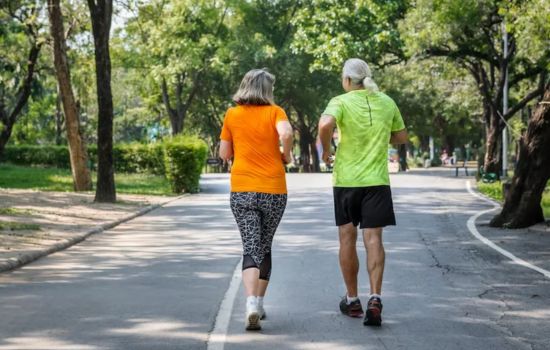
Older adults or those recovering from injuries can use walking apps to gradually rebuild strength and endurance safely. Starting with modest goals and slowly progressing prevents overexertion while providing encouraging feedback about recovery progress. Family members can sometimes access shared data to support accountability and safety.
For Outdoor Enthusiasts and Hikers
Even serious walkers and hikers benefit from step tracking, especially when GPS-based tracking isn’t necessary or practical. Long-distance hikers use step data to monitor daily mileage and ensure consistent pacing. Many find satisfaction in accumulating impressive total step counts over extended adventures.
🛡️ Privacy and Data Security in Walking Apps
As with any health-related technology, understanding how your walking app collects, stores, and uses your data is essential. Reputable applications prioritize user privacy and provide transparent policies about data handling.
Most quality step counters don’t require personal accounts or internet connectivity to function, processing your step data locally on your device. When apps do offer cloud backup or social features requiring data sharing, ensure you understand what information is collected and how it’s protected. Reading privacy policies and user reviews regarding data practices helps you make informed choices about which applications to trust with your health information.
🚀 Starting Your Walking Journey Today
The hardest step in any fitness journey is the first one. With a quality step counter app on your smartphone, you have everything needed to begin transforming your health through walking. The technology handles tracking and motivation while you simply focus on moving more each day.
Begin by downloading a reputable walking app and allowing it to establish your baseline activity level. Set realistic initial goals that challenge you without causing frustration. Celebrate small victories—whether that’s your first 5,000-step day or your first full week of meeting targets. Remember that consistency matters more than perfection, and even modest increases in daily steps deliver meaningful health benefits.
Walking isn’t just exercise—it’s meditation in motion, an opportunity for fresh air and sunshine, and a sustainable habit that can last a lifetime. Your step counter app transforms this simple activity into a measurable, rewarding journey toward better health. Every journey begins with a single step, and with the right app, you’ll be motivated to take thousands more.
✨ Making Every Step Count
Your smartphone, already an indispensable part of daily life, can become a powerful wellness tool through a quality walking app. These applications democratize fitness tracking, making health monitoring accessible without expensive equipment or complicated programs. The combination of accurate tracking, motivational features, and comprehensive health insights creates a personalized fitness companion that adapts to your unique lifestyle.
Whether you’re taking your first steps toward an active lifestyle or you’re a seasoned walker looking to optimize your routine, step counter apps provide the structure, feedback, and encouragement needed for lasting success. The path to better health doesn’t require dramatic changes—sometimes it just requires putting one foot in front of the other, and letting your app count the way to wellness.
