
Anúncios
Transforming your home into a lush green oasis has never been easier, thanks to modern plant identification and care apps that fit right in your pocket.
Anúncios
Whether you’re a seasoned gardener or someone who struggles to keep a succulent alive, plant care apps have revolutionized how we interact with our green companions. These innovative tools combine artificial intelligence, botanical databases, and community knowledge to help you identify mysterious plants, diagnose health issues, and provide personalized care schedules.
The beauty of these applications lies in their accessibility and comprehensiveness. Gone are the days of flipping through heavy botanical encyclopedias or guessing what’s wrong with your wilting fern. With just a quick photo, you can unlock a world of plant knowledge that was once reserved for horticulturists and botanists.
🌿 Why Plant Identification Apps Are Game-Changers
Anúncios
Plant identification technology has evolved dramatically over the past few years. What started as basic image recognition has transformed into sophisticated systems capable of identifying over 30,000 plant species with remarkable accuracy.
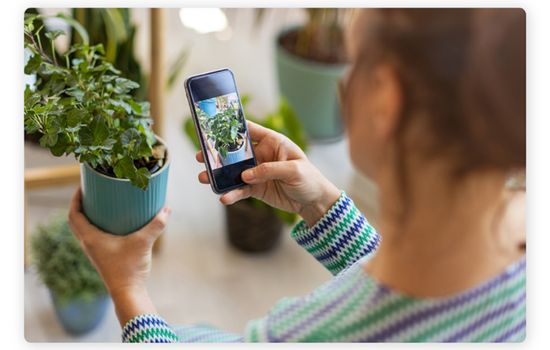
These apps leverage machine learning algorithms trained on millions of plant images. When you snap a photo of a leaf, flower, or entire plant, the app analyzes various characteristics including shape, color, texture, and growth patterns to provide an accurate identification within seconds.
Beyond simple identification, modern plant apps offer context-aware information. They don’t just tell you what plant you’re looking at—they provide detailed care instructions tailored to your specific climate zone, indoor conditions, or gardening experience level.
The Technology Behind Plant Recognition 🔍


The magic happens through convolutional neural networks, a type of artificial intelligence specifically designed for image processing. These systems examine multiple features simultaneously, comparing your photo against vast databases of botanical specimens.
What makes this technology particularly impressive is its ability to identify plants at different growth stages. Whether you photograph a seedling, mature plant, or dying specimen, quality apps can still provide accurate identification by recognizing stage-specific characteristics.
Some advanced applications even factor in geographic location data to narrow down possibilities, since certain species only grow in specific regions or climate zones.
🪴 Essential Features to Look for in Plant Care Apps
Not all plant apps are created equal. The best ones combine multiple functionalities that transform them from simple identification tools into comprehensive plant care companions.

Instant plant identification remains the cornerstone feature, but truly valuable apps go several steps further. They integrate care calendars, watering reminders, disease diagnosis, and personalized growing tips based on your environment.
Personalized Care Schedules and Reminders ⏰
One of the most practical features is the ability to create custom care schedules for each plant in your collection. After identifying a plant, the app generates a personalized care plan considering factors like sunlight exposure, humidity levels, and seasonal variations.
Smart reminder systems take the guesswork out of plant maintenance. Instead of rigid schedules, advanced apps adjust watering frequencies based on weather conditions, plant growth stages, and even soil moisture levels if connected to smart sensors.
These adaptive systems prevent both overwatering and neglect—two of the most common reasons houseplants fail to thrive.
Plant Health Diagnosis and Treatment 🌡️
When your beloved monstera starts developing brown spots or your orchid refuses to bloom, plant diagnosis features become invaluable. By photographing affected areas, these apps can identify common problems including pest infestations, nutritional deficiencies, fungal infections, and environmental stress.
The diagnostic process typically involves answering a few simple questions about growing conditions and recent changes in the plant’s environment. The app then cross-references symptoms against botanical databases to suggest likely causes and treatment options.
Many apps provide step-by-step recovery plans, complete with product recommendations for organic treatments, fertilizers, or pest control solutions appropriate for your specific situation.
📱 How to Make the Most of Your Plant App
Simply downloading a plant app isn’t enough—you need to use it strategically to maximize its benefits. Start by thoroughly documenting each plant in your collection with clear photos from multiple angles.
Take pictures of leaves, stems, flowers, and the overall plant structure. This comprehensive documentation helps with accurate identification and creates a visual record you can reference later to track growth and changes.
Building Your Digital Plant Collection 📚
Most quality apps allow you to create a virtual garden where you can organize plants by location, care requirements, or acquisition date. This digital catalog becomes increasingly valuable as your collection grows.
For each plant, add notes about when you acquired it, where it’s positioned in your home, and any specific quirks you’ve noticed. Record repotting dates, fertilization schedules, and seasonal behavior patterns.
This historical data helps you identify patterns and optimize care routines. You might discover that your fiddle leaf fig thrives when rotated weekly or that your succulents prefer watering every ten days rather than weekly.
Learning from Community Knowledge 🤝
Many plant apps incorporate social features that connect you with fellow plant enthusiasts worldwide. These communities are goldmines of practical advice, troubleshooting tips, and inspiration for your own plant journey.
Browse community photos to see how different plants mature over time or how others have successfully dealt with similar problems you’re facing. Don’t hesitate to ask questions—the plant community is generally welcoming and eager to share knowledge.
Some users find that participating in monthly challenges or seasonal growing competitions keeps them engaged and motivated to provide better care for their plants.
🌱 Practical Applications for Different Types of Plant Parents
Plant care apps serve diverse audiences, each with unique needs and goals. Understanding how different user types benefit helps you identify which features matter most for your situation.
For Absolute Beginners 🌟
If you’re new to plant parenthood, these apps function as patient teachers that never judge your brown thumb. They demystify plant care by breaking down complex botanical concepts into simple, actionable steps.
Start with the app’s recommendations for beginner-friendly plants that tolerate occasional neglect and varying conditions. Use identification features when shopping at nurseries to verify you’re selecting truly low-maintenance species.
The care reminders prevent the most common beginner mistake: forgetting about your plants entirely until they’re beyond rescue. Set up notifications and actually follow through when your phone buzzes with a watering reminder.
For Collectors and Enthusiasts 💚
Serious plant collectors use these apps as comprehensive management systems for extensive collections. The ability to catalog hundreds of plants with specific care requirements, track growth progress, and schedule maintenance tasks becomes essential.
Advanced users appreciate features like growth tracking with photo timelines, blooming reminders for flowering species, and fertilization logs that prevent over-feeding. Some apps even calculate the total value of your collection for insurance purposes.
Identification features help collectors verify rare species and avoid purchasing mislabeled plants at premium prices. The database access also supports research into proper botanical names and cultivar specifications.
For Gardeners Transitioning to Indoor Plants 🏡
Experienced outdoor gardeners often struggle when bringing their expertise indoors. The controlled environment of homes presents different challenges than outdoor beds and borders.
Plant apps bridge this knowledge gap by explaining how indoor conditions affect plant behavior. They clarify differences in watering needs, light requirements, and seasonal responses between outdoor and indoor growing.
The light meter features in some apps are particularly valuable, helping gardeners assess whether those “bright indirect light” requirements are actually met in their chosen plant locations.
🔬 Understanding Plant Diagnosis Features
Disease and pest identification represents one of the most sophisticated aspects of modern plant apps. These diagnostic tools can mean the difference between saving a struggling plant and losing it entirely.
When you notice discoloration, wilting, unusual spots, or other concerning symptoms, the diagnostic feature guides you through a systematic assessment process. You’ll photograph the affected areas and answer questions about recent environmental changes, watering habits, and visible pests.
Common Issues These Apps Can Identify 🐛
Plant apps excel at identifying frequently encountered problems. Overwatering symptoms, nutrient deficiencies, common pests like spider mites or aphids, and fungal infections are typically recognized with high accuracy.
The apps distinguish between similar-looking issues that require different treatments. For example, yellowing leaves might indicate overwatering, nitrogen deficiency, or natural aging—each requiring a completely different response.
For pest identification, many apps provide magnification tools and comparison images to help you spot tiny invaders before they become major infestations. Early detection dramatically improves treatment success rates.
When to Seek Additional Help 🆘
While plant apps are remarkably capable, they have limitations. Rare diseases, unusual pest species, or complex environmental issues might require consultation with professional horticulturists or local extension services.
Use the app as your first line of defense, but don’t hesitate to seek expert help if treatments aren’t working or if you’re dealing with valuable or irreplaceable plants. Many apps include directories of local plant doctors and botanical services.
🌍 Expanding Your Plant Knowledge Through Apps
Beyond immediate care needs, plant apps serve as educational platforms that deepen your botanical understanding over time. The cumulative learning experience transforms casual plant owners into knowledgeable enthusiasts.
Most apps include extensive plant profiles with fascinating details about native habitats, botanical history, and interesting facts. Learning where your plants naturally grow helps you recreate optimal conditions at home.
Discovering New Species and Varieties 🆕
The identification feature becomes a discovery tool when you’re browsing garden centers, visiting botanical gardens, or walking through neighborhoods. Simply photograph interesting plants to learn their names and care requirements.
This casual identification practice expands your plant vocabulary and helps you recognize patterns in plant families. You’ll start noticing similarities between species and understanding why certain care principles apply across related plants.
Many users maintain wish lists within their apps, photographing plants they encounter and want to add to their collections. This prevents impulse purchases of plants you can’t actually accommodate.
Seasonal Care Adjustments 🍂
Plant needs change dramatically with seasons, and quality apps help you adjust care routines accordingly. They explain why your tropical plants slow growth in winter or why succulents need less water during dormant periods.
Seasonal reminders prompt you to prepare plants for temperature changes, adjust light exposure as day length varies, and modify fertilization schedules to match natural growth cycles.
This seasonal awareness prevents common mistakes like overwatering dormant plants or expecting rapid growth during low-light winter months.
💡 Maximizing Success With Smart Features
Advanced plant apps include innovative features that go beyond basic identification and care schedules. These smart tools leverage technology to provide insights impossible to achieve through traditional plant care methods.
Light and Environment Monitoring 📊
Some applications use your phone’s sensors to measure light levels in different locations around your home. This objective data removes guesswork when positioning plants according to their light requirements.
The apps convert lux measurements into plant-friendly terms like “bright indirect light” or “low light,” helping you match plants to appropriate locations. Regular monitoring reveals how seasonal changes affect light availability in each spot.
Temperature and humidity tracking features help you identify microclimates within your home. You might discover that your bathroom provides perfect humidity for ferns or that a sunny windowsill exceeds safe temperature ranges during summer afternoons.
Growth Tracking and Progress Photos 📸
Time-lapse features that compile regular photos into growth progression videos are both satisfying and informative. These visual records reveal growth patterns, helping you identify when plants thrive versus when they struggle.
Comparing photos taken weeks or months apart helps you assess whether care adjustments are working. Subtle changes in leaf size, color intensity, or growth rate become obvious when documented systematically.
Many users find that progress tracking increases motivation and emotional connection to their plants, making consistent care more rewarding.
🎯 Choosing the Right App for Your Needs
The market offers numerous plant identification and care apps, each with different strengths, limitations, and pricing models. Selecting the right one depends on your specific requirements and how you plan to use it.
Consider whether you need comprehensive care management for large collections or simple identification for occasional use. Evaluate whether community features matter to you or if you prefer solo plant parenting.
Free Versus Premium Features 💰
Most plant apps operate on freemium models, offering basic identification free while charging for advanced features. Free tiers typically include limited daily identifications and basic care information.
Premium subscriptions unlock unlimited identifications, detailed care plans, disease diagnosis, expert consultations, and ad-free experiences. Evaluate whether you’ll actually use premium features before committing to subscriptions.
Some apps offer one-time purchases instead of recurring subscriptions, which might provide better value for serious plant enthusiasts who will use the app extensively over years.
Privacy and Data Considerations 🔒
Plant apps collect various data including photos, location information, and usage patterns. Review privacy policies to understand how your information is used, stored, and potentially shared.
Most reputable apps use data primarily to improve identification algorithms and personalize recommendations. However, be aware of what you’re agreeing to, especially regarding photo ownership and community sharing defaults.
🌟 Transforming Your Relationship With Plants
Plant care apps do more than provide information—they fundamentally change how we interact with the green life around us. They transform anxiety-inducing responsibility into an engaging, educational hobby.
The accessibility of expert knowledge democratizes plant care, making successful indoor gardening achievable for anyone regardless of prior experience or natural talent. This empowerment encourages more people to incorporate plants into their lives.
As your confidence grows through app-supported success, you’ll likely find yourself expanding your collection, attempting more challenging species, and developing genuine expertise. What started as casual interest often blossoms into passionate hobby.
The environmental benefits extend beyond individual plant collections. As more people successfully maintain plants, we collectively improve indoor air quality, increase connection with nature, and develop greater appreciation for botanical diversity and conservation.
Whether you’re trying to identify a mysterious plant inherited from a friend, rescue a struggling succulent, or manage a jungle of houseplants, modern plant apps provide the knowledge and support needed for success. They bridge the gap between plant potential and human capability, creating partnerships where both parties thrive.
